
The Future of Food Security in South Africa: Why Supporting Farmers Matters
Food security is one of the most important foundations of a stable and prosperous nation. In South Africa, where inequality, unemployment, and climate pressures continue to affect communities, ensuring that every household has access to safe, affordable, and nutritious food is becoming more challenging. At the centre of this challenge is one undeniable truth: supporting local farmers is essential for securing the country’s future food supply.
This article explores the importance of local food production, the struggles faced by South African farmers, the impact of climate change and rising food prices, and how agricultural development programmes such as the Mayibuye Agricultural Support Programme can strengthen national food systems.
The Importance of Local Food Production
Local food production is the backbone of food security. When a country produces more of its own food, it becomes less dependent on imports and global supply chains, which are often unstable due to economic crises, wars, or international shortages.
In South Africa, agriculture plays a critical role in feeding millions of people while also contributing to economic growth and job creation. From maize fields in Limpopo to vineyards in the Western Cape, local farmers ensure that basic food items such as vegetables, grains, meat, and dairy are available in supermarkets and informal markets across the country.
Supporting local production also means supporting rural economies. Many farming communities rely on agriculture not only for food but also for employment and income generation. When farmers succeed, entire communities benefit.
Challenges Facing South African Farmers
Despite its importance, the agricultural sector faces numerous challenges that threaten productivity and sustainability.
One of the biggest challenges is limited access to resources. Many smallholder and emerging farmers struggle to obtain land, irrigation systems, machinery, seeds, and fertilizers. Without these essentials, it becomes difficult to produce food at a competitive scale.
Another major issue is lack of funding and financial support. Commercial farming often requires large capital investment, and many farmers cannot secure loans due to strict banking requirements or lack of collateral.
Infrastructure challenges also play a significant role. Poor rural roads, inadequate storage facilities, and limited access to markets make it difficult for farmers to transport and sell their produce efficiently.
In addition, crime and stock theft continue to affect livestock farmers, increasing production risks and discouraging investment in farming activities.
Climate Change and Its Impact on Agriculture
Climate change is one of the most serious threats to food security in South Africa. The country already experiences variable weather conditions, and rising temperatures are making farming even more unpredictable.
Droughts have become more frequent in many provinces, reducing crop yields and drying up water sources needed for irrigation. At the same time, unexpected heavy rains and floods can destroy crops and damage farmland.
Changing weather patterns also affect planting seasons, making it harder for farmers to plan their production cycles. Livestock farmers are not spared either, as heat stress and reduced grazing land impact animal health and productivity.
If not addressed, climate change could significantly reduce South Africa’s agricultural output in the coming decades, increasing dependence on food imports and raising the risk of hunger.
Rising Food Prices and Household Pressure
Food prices in South Africa have been steadily increasing due to several factors, including inflation, fuel costs, global supply chain disruptions, and local production challenges.
For many households, especially in low-income communities, rising food prices mean reduced access to nutritious meals. Basic food items such as bread, maize meal, cooking oil, and vegetables are becoming more expensive, forcing families to make difficult choices between food and other essential needs.
Strengthening local agriculture is one of the most effective ways to stabilise food prices. When more food is produced locally, transportation costs decrease, supply becomes more stable, and price fluctuations are reduced.
Land Utilisation and Agricultural Development
Land remains one of the most important assets in South African agriculture. However, effective land utilisation is still a challenge. While land reform initiatives have aimed to redistribute land more equitably, many beneficiaries lack the skills, resources, and support needed to use land productively.
Proper land utilisation requires more than just ownership. It requires training, access to modern farming techniques, irrigation systems, and ongoing support from agricultural experts.
When land is used effectively, it can transform rural economies, create jobs, and significantly improve food production levels.
The Role of Agricultural Support Programmes
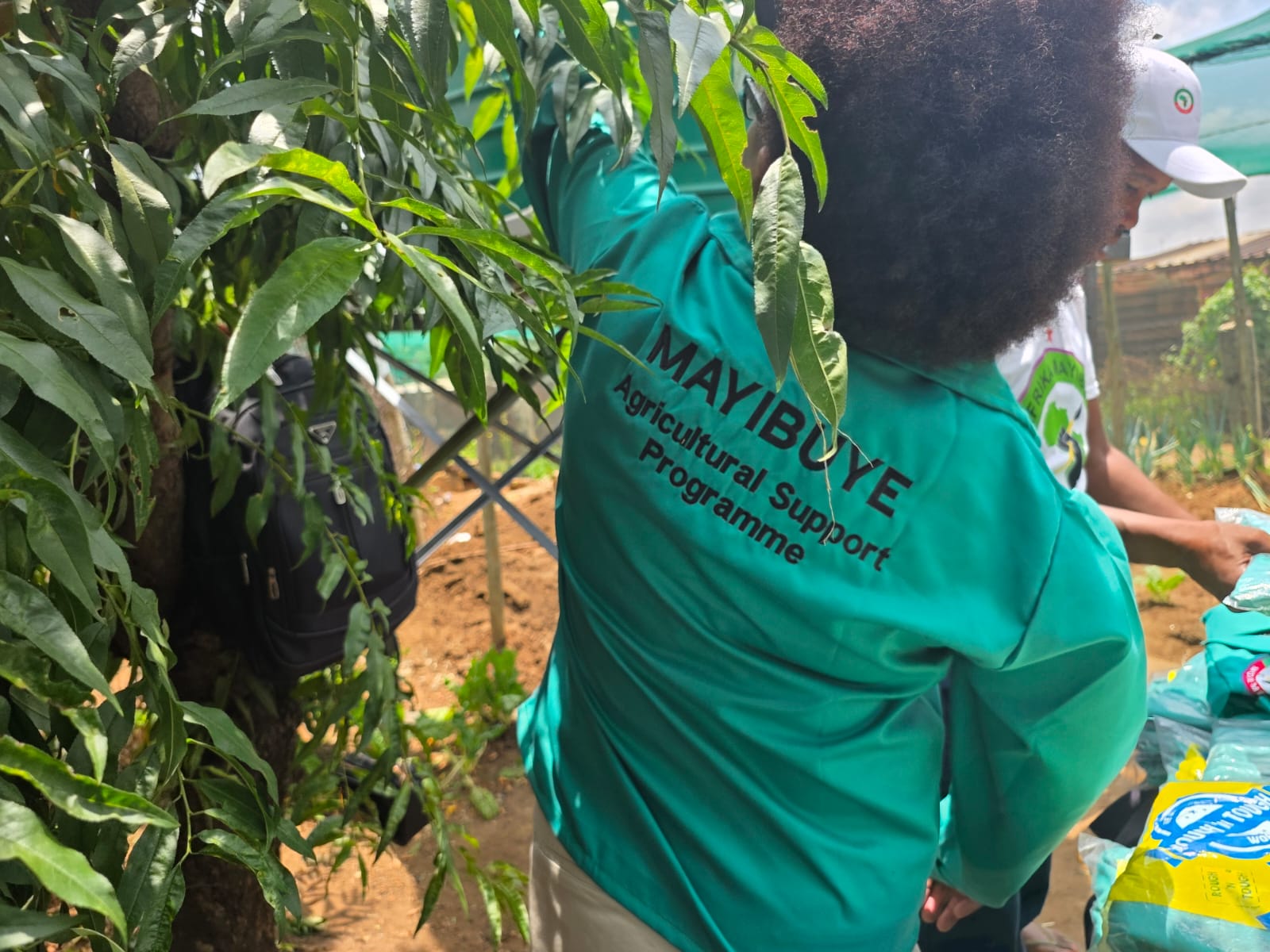
To address these challenges, agricultural development programmes play a vital role in supporting farmers and strengthening food systems. One such initiative is the Mayibuye Agricultural Support Programme, which focuses on empowering farmers through training, resources, and development support.
Programmes like Mayibuye aim to bridge the gap between emerging farmers and commercial success by providing access to agricultural knowledge, inputs, and market opportunities. This type of support helps farmers improve productivity, adopt sustainable farming methods, and expand their operations.
Agricultural support programmes also encourage youth participation in farming, which is essential for the long-term sustainability of the sector. With unemployment remaining high, agriculture presents a viable pathway for entrepreneurship and job creation.
Technology and Innovation in Farming
Modern agriculture is increasingly driven by technology. From irrigation systems and soil sensors to drone monitoring and climate-smart farming techniques, innovation is changing how food is produced.
In South Africa, adopting agricultural technology can help farmers increase yields while reducing costs and environmental impact. However, access to technology remains limited for many small-scale farmers due to affordability and lack of training.
Investing in agricultural innovation and making technology accessible to rural farmers will be key to improving national food production in the future.
Building a Sustainable Food Future
Food security is not only about producing enough food today, but also about ensuring that future generations can continue to produce and access food sustainably.
This requires a combination of government support, private sector investment, and community involvement. Policies that support farmers, improve infrastructure, and promote sustainable farming practices are essential.
Education and training must also be prioritised to equip farmers with the skills needed to adapt to changing environmental and economic conditions.
Conclusion
The future of food security in South Africa depends heavily on the strength and resilience of its agricultural sector. Supporting farmers is not just an economic decision; it is a national priority that affects health, stability, and development.
By investing in local food production, addressing the challenges faced by farmers, and expanding initiatives such as the Mayibuye Agricultural Support Programme, South Africa can build a stronger, more self-sufficient food system.
If farmers are supported, food security becomes achievable. If they are neglected, the country risks deeper hunger, rising prices, and increased dependency on imports. The path forward is clear: strengthening agriculture is strengthening the nation.