
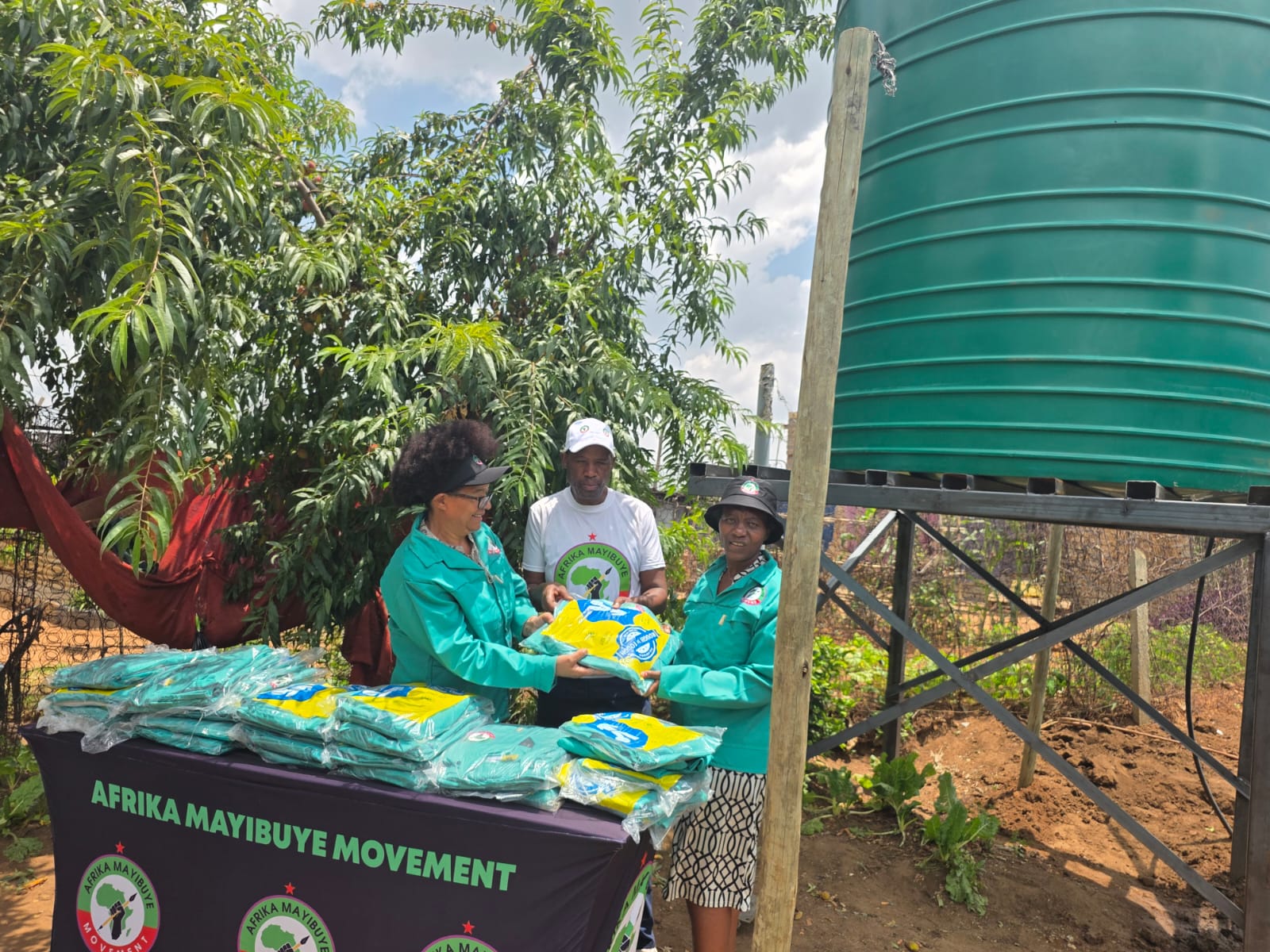
Empowering Emerging Farmers: Opportunities, Challenges, and the Way Forward
Emerging farmers play a critical role in shaping the future of agriculture in South Africa. They represent the next generation of food producers, rural entrepreneurs, and job creators who have the potential to transform the agricultural sector into a more inclusive and productive space. However, their journey is often filled with challenges that slow down progress and limit growth.
This article explores the realities faced by emerging farmers, the opportunities available to them, and how government, private investors, communities, and agricultural organisations can work together to build a stronger and more sustainable farming sector.
Understanding Emerging Farmers in South Africa
Emerging farmers are typically individuals or groups who are transitioning from small-scale or subsistence farming into more commercialised agricultural production. Many of them come from rural communities where farming has traditionally been done for household consumption rather than large-scale business purposes.
What makes emerging farmers important is their potential to contribute significantly to national food production, rural development, and job creation. With the right support, they can evolve into successful commercial farmers who supply both local and national markets.
However, despite their potential, many emerging farmers struggle to make this transition due to structural and economic barriers.
Access to Land: The Foundation of Farming
One of the most pressing challenges facing emerging farmers is access to land. Farming cannot happen without land, yet many individuals in South Africa still lack secure or productive land rights.
Even where land has been made available through land reform programmes or government redistribution initiatives, issues such as unclear ownership, inadequate infrastructure, and limited support often prevent productive use.
In some cases, farmers are allocated land without the necessary tools, training, or funding to make it productive. This creates a gap between land ownership and actual agricultural success.
For emerging farmers to succeed, land access must be accompanied by long-term support, infrastructure development, and clear tenure security.
Funding and Financial Barriers
Agriculture is a capital-intensive sector. Seeds, fertilizers, machinery, irrigation systems, livestock, and labour all require funding. Unfortunately, many emerging farmers struggle to access finance from traditional banking institutions.
Banks often require collateral, credit history, or formal business structures, which many small-scale farmers do not have. As a result, promising agricultural projects often fail to take off due to lack of funding.
Government grants, agricultural development funds, and private sector investment initiatives exist, but access to these resources is often limited by complex application processes or lack of awareness.
Improving financial inclusion for farmers is essential. Flexible loan systems, microfinance options, and agricultural insurance products can play a major role in reducing financial risk and encouraging growth.
Skills, Training, and Knowledge Gaps
Another major challenge is the lack of formal agricultural training and technical knowledge. While many emerging farmers have practical experience, modern agriculture requires additional skills such as farm management, financial planning, irrigation techniques, pest control, and climate-smart farming methods.
Without proper training, farmers may struggle with productivity, resource management, and market readiness.
Extension services, agricultural colleges, and mentorship programmes are key to bridging this gap. Training should not only focus on farming techniques but also on business development, marketing, and sustainability practices.
When farmers are equipped with knowledge, they are more likely to succeed and scale their operations.
Infrastructure and Production Challenges
Infrastructure plays a major role in agricultural success. Many emerging farmers operate in rural areas where roads are poor, storage facilities are limited, and access to electricity and water is unreliable.
These challenges increase production costs and make it difficult to transport goods to markets. In some cases, crops spoil before they can be sold, leading to financial losses.
Investment in rural infrastructure is essential for agricultural development. This includes improving roads, building irrigation systems, providing cold storage facilities, and ensuring reliable access to utilities.
Without infrastructure, even the most skilled farmers will struggle to compete in the market.
Access to Markets and Value Chains
Producing food is only part of the challenge; selling it is equally important. Many emerging farmers struggle to access formal markets such as supermarkets, wholesalers, and export channels.
Large buyers often require consistent supply, quality standards, and certifications that small farmers may find difficult to meet without support.
As a result, many farmers rely on informal markets where prices are lower and income is unstable.
Strengthening market access requires building connections between farmers and buyers, improving supply chain coordination, and supporting farmer cooperatives. Cooperatives in particular can help farmers pool resources, increase bargaining power, and meet larger demand requirements.
Climate Change and Environmental Pressures
Climate change continues to have a growing impact on agriculture in South Africa. Emerging farmers are often the most vulnerable because they lack resources to adapt to changing conditions.
Droughts, floods, and unpredictable weather patterns affect crop yields and livestock production. Without irrigation systems or climate-resilient farming techniques, farmers face high levels of uncertainty.
Adopting climate-smart agriculture, such as water-efficient irrigation, drought-resistant crops, and sustainable land management practices, is essential for long-term success.
Opportunities for Emerging Farmers
Despite the challenges, there are significant opportunities for emerging farmers in South Africa.
The demand for locally produced food continues to grow, driven by population growth and rising food prices. This creates opportunities for farmers to supply fresh produce, grains, meat, and dairy products.
There is also increasing interest in organic farming, agro-processing, and export markets. Farmers who add value to their products—such as turning raw produce into packaged goods—can significantly increase their income.
Government programmes, agricultural grants, and private sector partnerships are also expanding, offering support for training, funding, and infrastructure development.
The Role of Government, Private Sector, and Communities
Supporting emerging farmers requires collaboration across multiple sectors.
Government plays a key role in land reform, funding support, training programmes, and infrastructure development. Policies must be practical and focused on long-term sustainability rather than short-term interventions.
Private investors and agribusinesses can contribute through funding partnerships, mentorship programmes, contract farming arrangements, and market access opportunities.
Communities and cooperatives provide local support systems that help farmers share resources, reduce costs, and build collective strength.
When all stakeholders work together, emerging farmers are more likely to succeed and grow into commercial producers.
The Way Forward: Building a Stronger Agricultural Future
The future of agriculture in South Africa depends on how well emerging farmers are supported today. Without intervention, many promising farmers may never reach their full potential, limiting national food production and economic growth.
A coordinated approach is needed—one that combines land access, financial support, training, infrastructure development, and market integration.
Technology must also be embraced to improve productivity and efficiency. Mobile farming tools, digital marketplaces, and modern irrigation systems can help farmers operate more effectively.
Most importantly, emerging farmers must be seen not as beneficiaries of assistance alone, but as entrepreneurs and key drivers of economic development.
Conclusion
Empowering emerging farmers is not just an agricultural issue; it is a national development priority. These farmers represent hope for rural development, food security, and economic transformation in South Africa.
With the right support systems in place, emerging farmers can move from survival-based farming to successful commercial operations that feed communities and create jobs.
The path forward requires commitment, collaboration, and long-term investment. When emerging farmers are empowered, the entire country benefits.